The Art of the Plank: What Is Engineered Wood Flooring?
How engineered wood flooring is made and why it is the first choice for high end flooring projects
When designing a luxury interior, every material must balance breathtaking aesthetics with flawless structural performance. Floor surfaces face the ultimate test of this balance. While the timeless allure of real timber is undeniable, traditional solid planks often struggle with modern living demands—such as underfloor heating and open-plan structural shifts.
Engineered wood flooring is the premier modern solution to this design challenge, offering the exact look, feel, and prestige of solid timber but with advanced structural stability.
If you are planning an upscale renovation or architectural build, here is everything you need to know about this high-performance luxury surface.
How It’s Made: The Anatomy of Premium Engineering
To truly appreciate an engineered plank, you have to look beneath the surface. Unlike a solid piece of timber cut straight from a tree, an engineered plank is a highly stable, multi-layered masterpiece.
The Wear Layer: The top surface is a precision-cut veneer of 100% genuine premium hardwood—most commonly European Oak, rich Walnut, or Maple. In high-end manufacturing, this wear layer ranges from 3mm to 6mm in thickness. This substantial depth ensures the floor can be sanded down and refinished multiple times over its decades-long lifespan.
The Structural Core: Beneath the hardwood veneer sits a multi-ply core made of high-grade marine plywood or high-density timber layers. These layers are bonded together under immense pressure in a cross-grain, criss-cross pattern.
Why the World’s Best Designers Specify Engineered Wood
1. Exceptional Dimensional Stability
Natural timber is a living, breathing material that expands in humid weather and contracts when the heating is turned on. In solid wood, this can lead to warping, cupping, and unsightly gaps. The cross-layered core of engineered planks counteracts this natural movement. It allows the floor to remain perfectly flat, stable, and seamless through changing seasons.
2. Underfloor Heating Compatibility
For high-end residential projects, underfloor heating (UFH) is a standard luxury. Solid wood is a poor fit for UFH due to the high risk of heat damage and splitting. Engineered wood, however, is fully compatible with radiant underfloor heating systems, safely conducting heat across the room without compromising the timber.
3. Grand Scale and Design Freedom
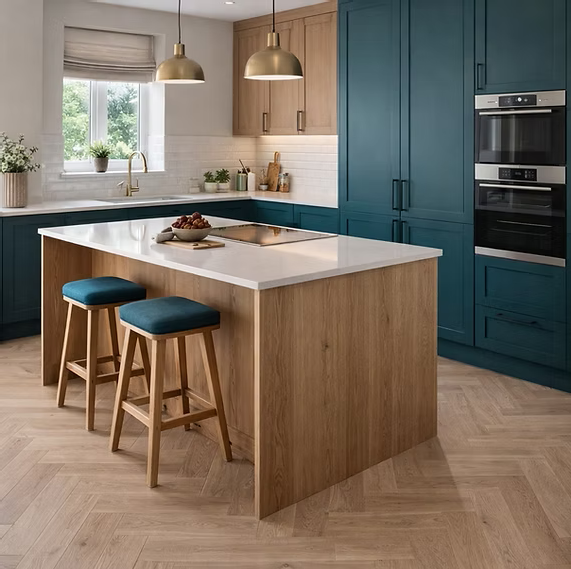
Because engineered planks are structurally reinforced, they can be crafted into much wider and longer formats than traditional solid wood. From expansive 2.4-metre grand planks that elevate architectural spaces to intricate, geometric layouts like Herringbone, Chevron, and Versailles panels, engineering makes grand-scale design effortless.
4. A Sophisticated, Sustainable Choice
Choosing engineered wood is a responsible choice for the planet. Instead of using slow-growing, precious hardwood for the entire depth of the plank, premium engineering uses it strictly where it matters most—the visible top surface. This sustainable manufacturing practice yields up to four times more luxury flooring from a single tree compared to solid wood methods.
Recent Posts